Cetacean bone property evolution
How do the density and stiffness of mammal bone evolve over extreme ecological transitions?
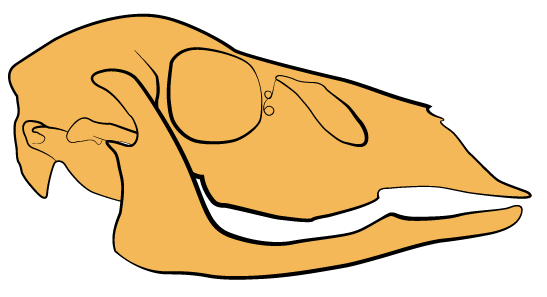
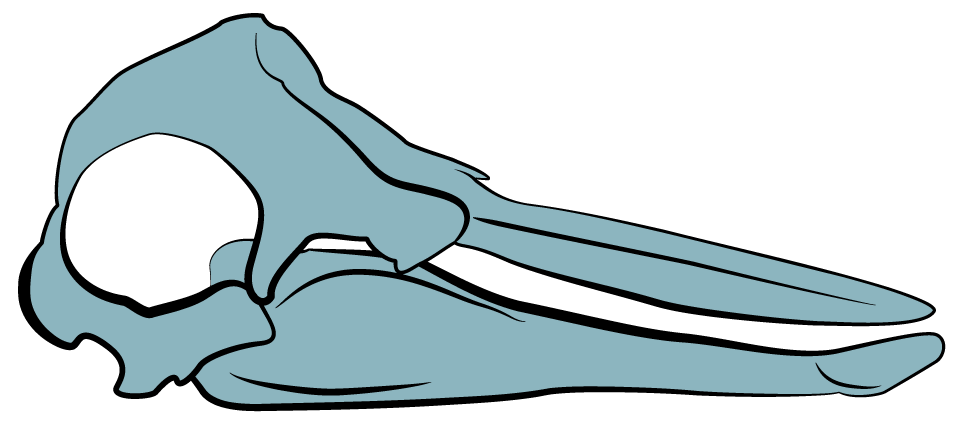
A main focus of my research concerns vertebrates that make dramatic shifts into new environments, and how those ecological selective pressures reshape their form. This allows me to identify important aspects of form that are common to specific habitats and functions.
In my dissertation research, I focused on cetaceans (whales, dolphins, and porpoises), as they evolved from terrestrial ancestors into the fully aquatic environment. Cetaceans shifted the way that they find and catch prey, using echolocation and suction feeding, which are new functions compared to their terrestrial relatives, the artiodactyls (e.g. cow, deer, hippopotamus). Because they adapted new ways of eating and sensing their environment, I expect that placed different types of mechanical loads on the skull and jaw compared to their terrestrial relatives, effecting the bone material properties (stiffness and density) across the skull. I predict that the skull bone properties evolved over deep time, with cetaceans and and their terrestrial relatives taking separate evolutionary paths.
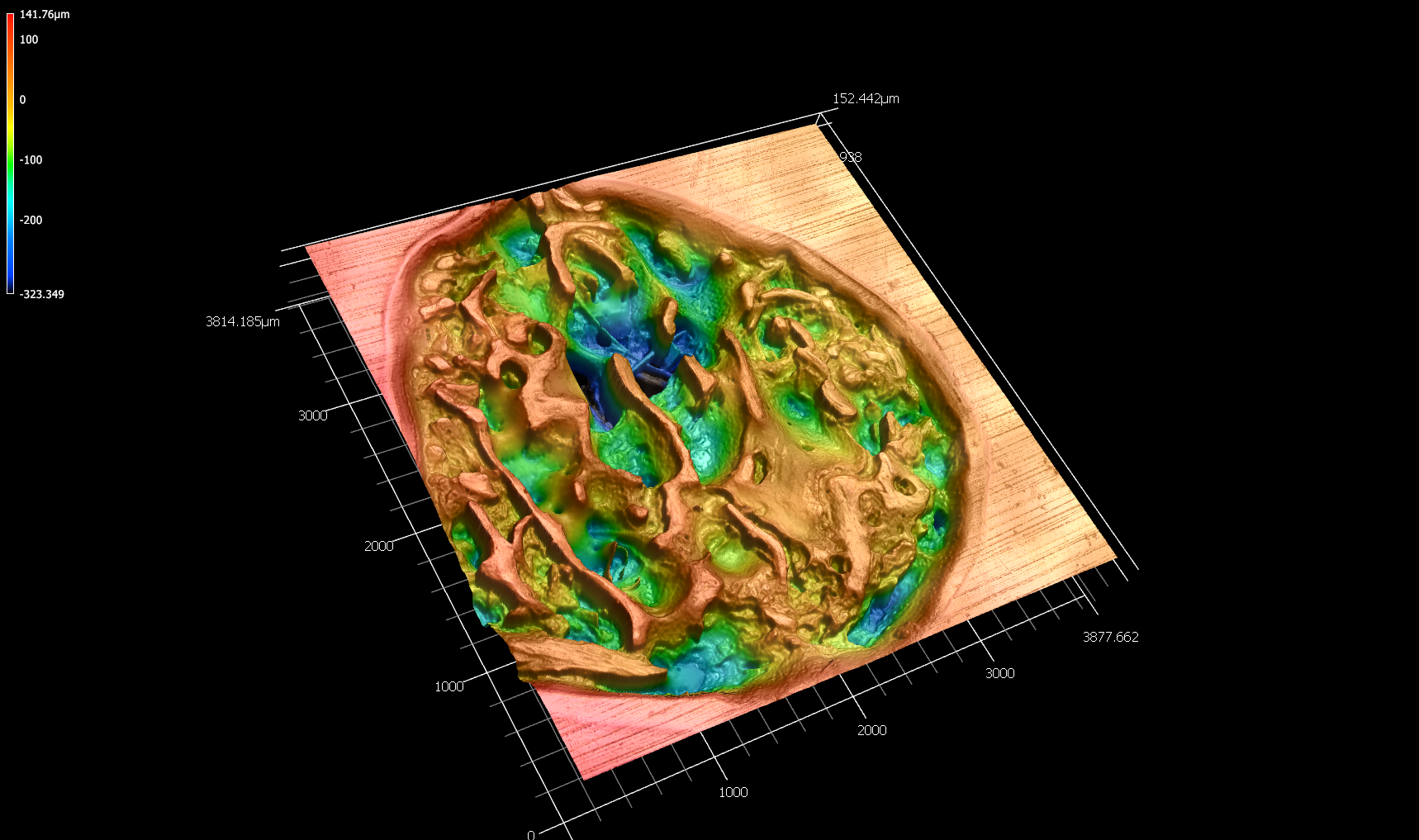
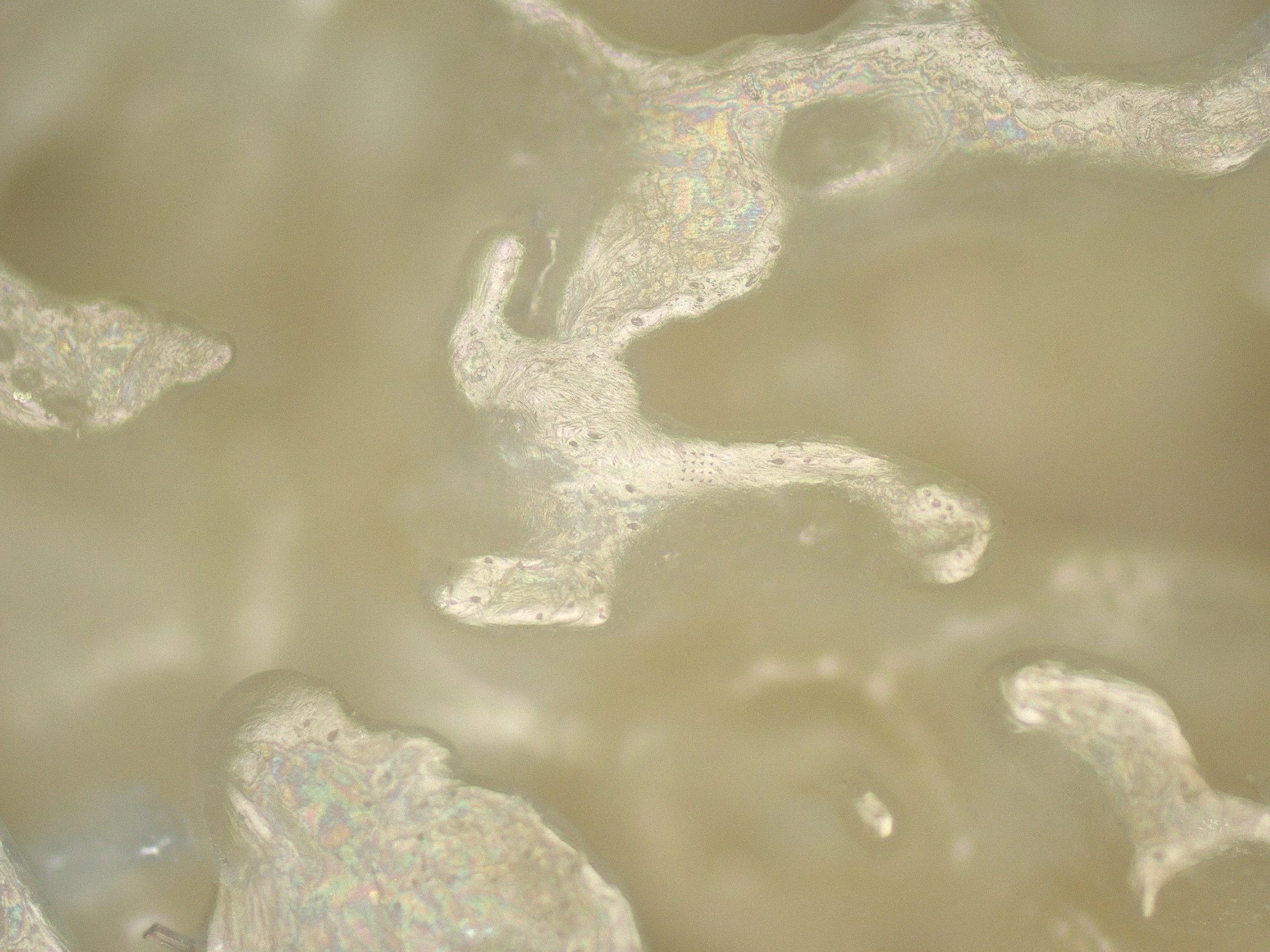
I used nanoindentation and microCT imaging to measure bone material properties, and evolutionary modeling to assessed how these traits evolution over deep time. Cetaceans exhibit lower mandible stiffness and density than closely related artiodactyls, consistent with hypotheses that the jaw aids underwater sound reception and is released from the demands of chewing loads. Additionally, shifts in evolutionary rate of the nasal bone indicate that stiffness of this bone has evolved at a faster rate in cetaceans compared to artiodactyls, fitting the novel shape and placement of this bone on the top of the skull in cetaceans.